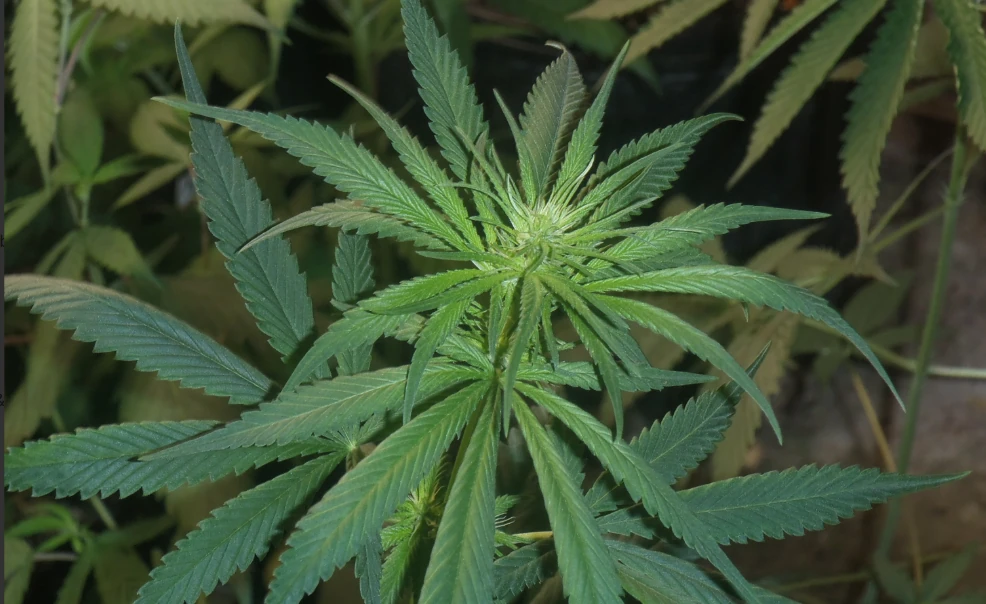
Growing Cannabis
Outdoors in Hawaiʻi
Hawaiʻi is one of the best places on earth to grow cannabis in the ground, and one of the least forgiving. A twelve-month season and a near-equatorial sun mean the plant almost grows itself. The humidity, the trade winds, and a pest cast the mainland has never met mean the rest is up to you. This is how to grow sun-grown island cannabis, the way the landraces already know.
"The islands give you a whole year to grow, and a whole year of things that want to eat what you grow. Take the gift, but respect the tax."
The Island Bargain Kānehiwa| Where You Are | Weather | The Challenge | Best For |
|---|---|---|---|
| 🌧️ Windward (NE) | Wet, cloudy, trade-blown | Mold, less direct sun | Rain-adapted lines, veg |
| ☀️ Leeward (SW) | Dry, sunny, hot | Water and afternoon heat | Flowering, resin, most strains |
| ⛰️ Upcountry | Cooler, bigger swings | Cold nights, wind exposure | Color, terpene expression |
| The Visitor | What It Does | Kānehiwa's Counter |
|---|---|---|
| 🪲 Chinese Rose Beetle | Skeletonizes leaves into lace overnight; Hawaiʻi's signature outdoor pest. | Beauveria, night hand-picking, kill nearby lights |
| 🐛 Budworms & Caterpillars | Bore into buds and rot them from the inside out. | BT (Bacillus thuringiensis), scout the buds weekly |
| 🕷️ Spider & Broad Mites | Stipple leaves and web the canopy; thrive in island heat. | Neem or white oil, predators, wash the undersides |
| 🐀 Rats & Feral Pigs | Chew stalks and buds; a pig can take a whole plant. | Fencing, elevation, traps, harvest before they find it |
The full field playbook lives in the Pest Identification guide and the Beauveria guide. On the islands, prevention beats every cure.
-
1Read the Season and the Light
Hawaiʻi sits near the tropics, around 19 to 22 degrees north. That changes everything. The longest summer day here runs only about 13.5 hours, where a mainland summer stretches past 15. Your plant reads the sun, not the calendar, so a photoperiod plant on the islands senses shorter days and often begins to flower earlier than a mainland grower expects.
☀️ Why the Landraces Win Here Long-season tropical sativas like Maui Wowie and Kona Gold evolved under exactly this light. They handle the near-equatorial daylength, the heat, and the humidity without flinching. Mainland indica-heavy hybrids often struggle: they flower too fast, mold in the damp, and never show their best.You can grow nearly year-round here, but the classic outdoor cycle is a spring plant into an autumn harvest, finishing the buds before the heavy winter rains of Hoʻoilo arrive.
🌺 Hawaiʻi Island Tip: Two Seasons, Not Four The islands run on two seasons, not four. Kau is the warm, drier summer (roughly May through October), the heart of the outdoor grow. Hoʻoilo is the cooler, wetter winter (November through April), when the rains come and bud rot is at its worst. Plan your flowering finish to land in the dry tail of Kau, not the wet mouth of Hoʻoilo. -
2Pick the Site
Where you plant matters more on the islands than almost anywhere, because two spots a mile apart can have completely different weather. Read your microclimate before you dig.
🧭 What to Look For- Sun: aim for 6+ hours of direct light. Morning sun with a little afternoon shade spares young plants the harshest island heat and UV
- Wind: the trade winds are a gift and a thief. They dry the canopy and hold mold back, but a fully exposed plant gets shredded and desiccated. Plant where the wind can pass through, not tear through, and stake for the gusts
- Your side of the island: windward (northeast) is wet and cloudy, harder on flowering; leeward (southwest) is dry and sunny, easier to finish clean. Match your genetics to your side
- Drainage: island rain comes hard and fast. Never plant in a low spot that pools. A slope or a raised bed keeps roots from drowning
🌺 Hawaiʻi Island Tip: Grow What Belongs The single biggest outdoor decision is genetics. A stealthy, mold-shy, rain-tolerant island line beats the loudest mainland strain every time here. Look to the heritage lines bred by these valleys: Hawaiian Duckfoot for stealth and resilience, Puna Buddaz for rain tolerance out of the wettest district in the islands. Browse the full set in Hawaiian Landrace Strains. -
3Build the Soil
Do not plant straight into raw red cinder or fresh lava soil. It drains too fast, holds almost no nutrients, and its pH is a gamble. Island ground is young; you build the soil that the plant needs.
🌱 Three Ways to Root In- Amended beds: dig in aged compost, worm castings, and organic amendments to turn native ground into living soil over a season
- Fabric pots: the safest bet for tricky ground. Fill with a quality living-soil mix, set them where the sun is best, and move them out of the worst storms
- Raised beds: the middle path, better drainage than native ground and more root room than a pot
🌺 Hawaiʻi Island Tip: Feed the Soil, Island-Style This is where KNF shines outdoors. Inoculate your beds or pots with Indigenous Microorganisms (IMO) collected from your own land so the soil biology is already adapted to your spot. Build the full living soil and run the KNF Feeding Schedule with local inputs. Year-round warmth means the microbes never go dormant, so island living soil works faster than almost anywhere. -
4Water, Feed, and Shelter
Island water is feast or famine, and it depends entirely on your side. Windward growers fight too much rain; leeward growers haul water through a dry summer. Plan for yours.
💧 Reading the Rain- Leeward and dry months: the trades wick moisture from pots and beds by afternoon. Water deeply in the morning, mulch heavily, and consider a self-watering setup for pots
- Windward and the wet season: the problem is the opposite. Make sure water drains away fast, and keep the canopy open so it dries between rains
- In flower, rain is the enemy: water sitting in dense buds is how bud rot starts. A simple hoop and clear cover, or wheeled fabric pots you can pull under cover, saves a harvest
If you catch rainwater, remember island catchment can carry debris and microbes. For a living-soil grow that is often fine, but know your water. The Water Alchemy guide covers treating and balancing your source. -
5Defend Against Mold and the Pest Cast
This is where island grows are won or lost. The same warmth and humidity that grow huge plants also grow mold and feed a pest list the mainland never sees. Defense is a daily habit, not a rescue mission.
🍄 Mold: Airflow Is Everything- Keep the canopy open. Prune the dense interior so air and light reach every bud; a plant the wind can breathe through rarely rots
- Grow mold-resistant genetics, the ones the islands bred for this exact fight
- Watch dense colas closely as they fatten, especially windward and into the wet season. Cut out any rot the moment you find it
🪲 The Pests, Handled- Chinese rose beetle: the islands' signature pest, a night feeder that turns leaves to lace. Hand-pick after dark, kill nearby lights that draw them, and lean on Beauveria bassiana
- Caterpillars and budworms: spray BT and scout buds weekly; they hide and rot flowers from inside
- Mites: neem or white oil on the leaf undersides, and encourage predators
- Rats and pigs: fence, elevate, trap. The island's largest pests take the whole plant, not a leaf
🌺 Hawaiʻi Island Tip: The Living Shield A living-soil plant with a strong microbial community shrugs off pressure that flattens a plant in sterile medium. Build the Microbial Fortress, interplant with companion plants that pull in beneficial insects, and let the trade winds do the rest. On the islands, a healthy plant is your best pesticide. -
6Time the Harvest, Beat the Rains
An island harvest is a race against the weather. Let the buds ripen as long as they safely can, but pull them before the winter rains settle in and turn a finished plant into a moldy one.
🔬 When to Cut- Read the trichomes with a loupe: mostly milky white with some amber is the classic window. See the Trichome Harvest guide
- If a heavy wet stretch is forecast and the plant is close, take it early rather than lose it to rot. A slightly early clean harvest beats a fully ripe rotten one
- Harvest in the dry of morning after any dew has burned off, never with water sitting on the buds
🌺 Hawaiʻi Island Tip: Drying in the Damp The hardest part of an island grow comes after the cut. Hawaiʻi's humidity fights a slow, even dry, and a bad dry can ruin good buds. Dry in a dark space with steady airflow and, on most of the islands, a dehumidifier holding the room near 60% RH. Follow the Tropical Roots Maui Drying guide built for exactly this climate, then store your keeper seeds with the Seed Storage guide to grow the line again next season.
- Hawaiʻi grows year-round; the classic cycle is a spring plant to an autumn harvest before the winter rains
- Near-equatorial light (11 to 13.5 hrs) makes photoperiod plants flower earlier; tropical sativas fit best
- Know your side: windward is wet and mold-prone, leeward is dry and easier to finish
- Never plant in raw cinder; build amended beds, raised beds, or fabric pots with living soil and IMO
- Water deeply in the morning on the dry side; keep drainage fast on the wet side
- Airflow beats mold: open the canopy, grow mold-resistant island genetics
- Know the pest cast: rose beetle (night), budworms (BT), mites (oil), rats and pigs (fencing)
- Cut at milky-to-amber trichomes, and pull early if heavy rain threatens a ripe plant
- Dry slow in a dehumidified space near 60% RH; the island climate fights a clean dry
This guide is provided for educational purposes only. Cannabis cultivation laws vary; always research and follow your local and state regulations before growing.